


🐾 Why This Article Matters
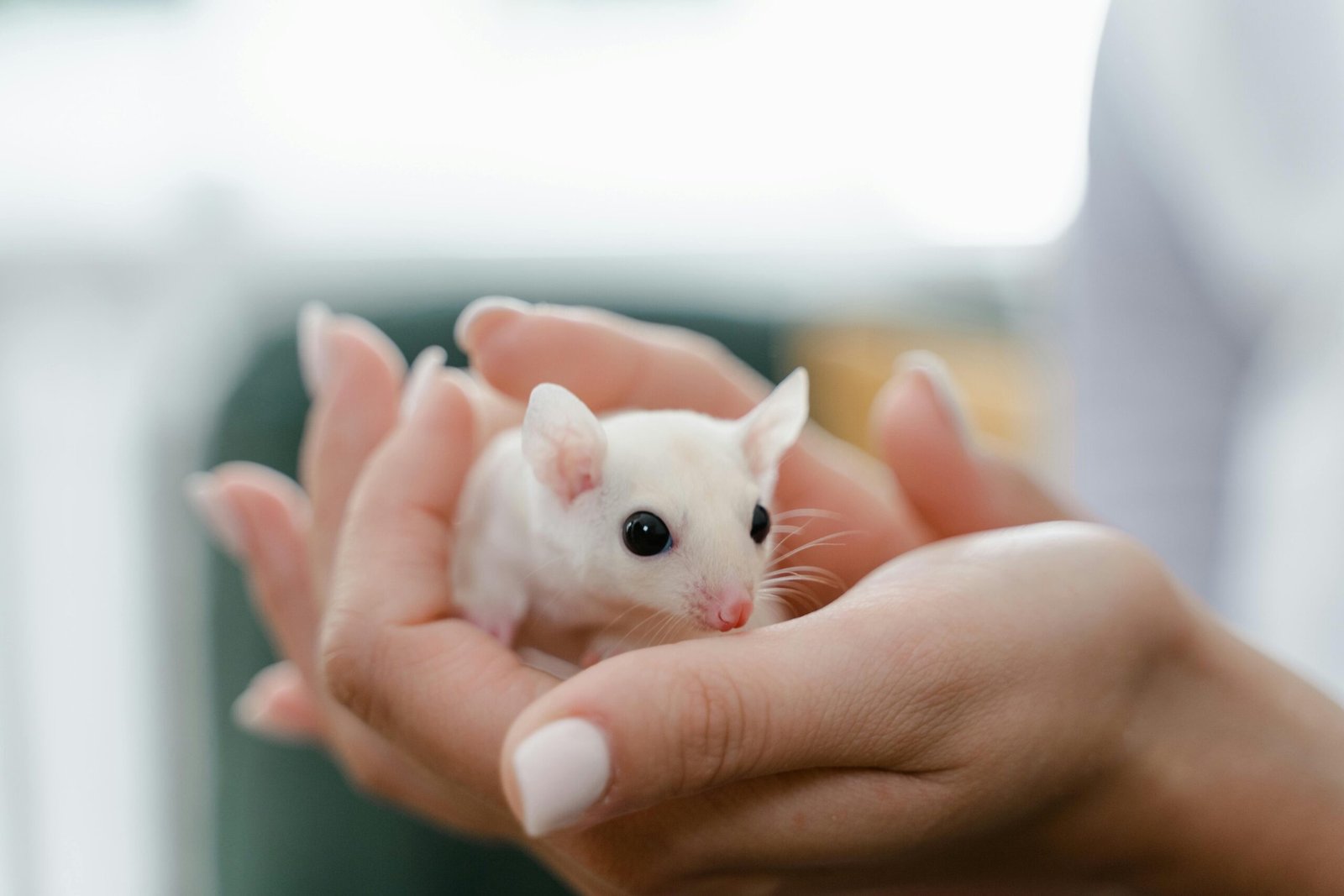
This adorable baby pet grows into a deadly animal—a truth many exotic pet owners discover too late. This adorable baby pet grows into a deadly animal, surprising owners who first see only its tiny eyes and soft movements. Welcome to the dark reality of non-native exotic pets
Many people search for “unique pets” or “exotic animals to own”, but few understand the serious risks involved.
This guide uncovers the truth behind one of the most misleading “cute pets” and why it can become dangerous over time.
🐒 Why Adorable Baby Pets Grow Into Deadly Animals
One of the most misunderstood exotic animals is the slow loris.
It’s often featured in viral videos because of its:
- Big, round eyes
- Gentle movements
- Baby-like appearance
But what most people don’t realize is that this animal is not safe to keep at home.
⚠️ The Shocking Truth About Its Defense
Unlike typical small pets, the slow loris has a rare and dangerous trait:
👉 It is one of the few venomous mammals in the world
It produces toxins from glands near its elbows and delivers them through bites.
What can happen:
- Severe pain
- Allergic reactions
- In rare cases, life-threatening complications
This is not something you expect from a “cute pet.”
🧠 Why Exotic Pets Become Dangerous
This applies not just to one species—but to many exotic animals.
As they grow, they develop:
- Strong survival instincts
- Territorial behavior
- Aggressive responses to stress
Common risky traits:
- Biting
- Scratching
- Escaping confinement
- Unpredictable mood swings
🏡 The Real Cost of Owning Exotic Pets
Many people don’t consider the hidden costs.
Financial Costs:
- Specialized diet
- Veterinary care
- Habitat setup
Legal Risks:
- Banned in many countries
- Requires permits
- Possible fines or confiscation
Safety Risks:
- Injuries to owners
- Danger to children
- Risk to other pets
👉 These factors make exotic pets a high-risk, low-reward choice
📊 Quick Facts You Should Know
- Animal Type: Wild mammal
- Behavior: Nocturnal and defensive
- Diet: Fruits, insects, tree gum
- Special Trait: Venomous bite
- Pet Suitability: ❌ Not recommended
❗ Why Viral Pet Trends Are Misleading
Social media often shows:
- Cute moments
- Calm behavior
- Human interaction
But it hides:
- Aggression
- Stress behavior
- Long-term risks
👉 What you see online is NOT reality.
💡 Better (and Safer) Pet Alternatives
If you’re looking for a unique but safe pet, consider:
- Domesticated cats or dogs
- Small mammals like rabbits
- Fish or birds
These animals are:
- Easier to manage
- Safer for families
- Legally allowed
🧾 Final Verdict (Important)
That adorable baby animal may look like the perfect pet—but it grows into something much harder to control.
👉 Exotic animals are not designed for home life
👉 The risks—financial, legal, and physical—are real
Choosing the right pet can save you from serious problems later.
❓ FAQs (High CTR + Featured Snippet)
Are exotic pets dangerous?
Yes, many exotic animals develop aggressive or defensive behavior as they grow.
Can you legally own a slow loris?
In most places, no. They are protected and illegal to keep.
Why do wild animals make bad pets?
They are not domesticated and retain natural survival instincts.


[…] about the risks of exotic pets? Read our article on Dangerous Exotic Pets — the hidden risks owners often […]