

Introduction
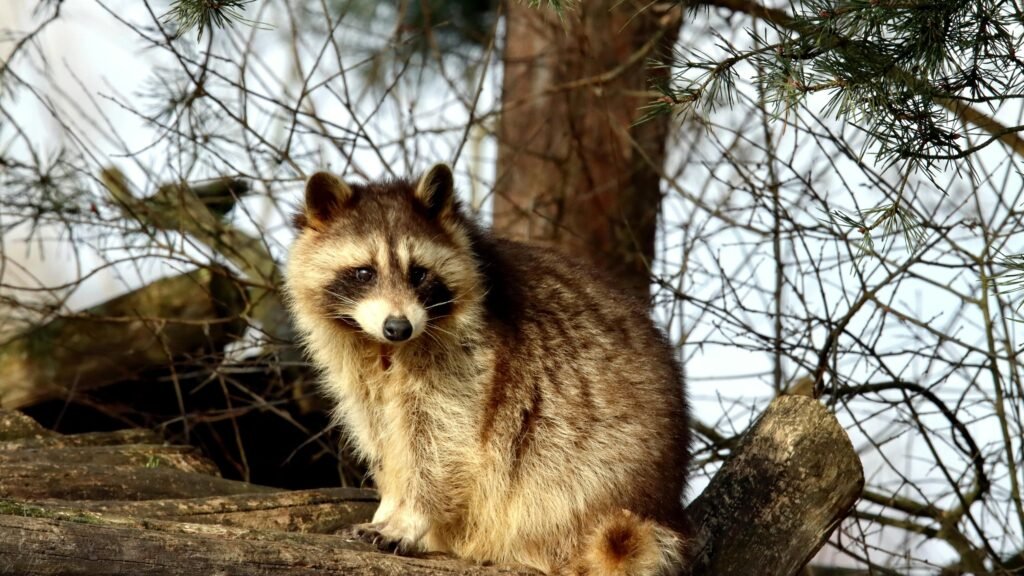
The tanuki raccoon dog is one of nature’s most surprising animals. They look like raccoons but they are actually dogs. They hibernate like bears. They also star in Japanese folklore as magical tricksters. The tanuki raccoon dog is East Asia’s most charming and problematic canine. They have masked faces and ringed tails. But they are 100% dogs, not raccoons. They come from Japan, Korea, China, and Russia. These fluffy animals have spread across half of Europe just like we explored in our exotic pets guide. As a result, they have earned a spot on the list of the world’s 100 worst invasive species.
The Only Dog That Truly Hibernates
The tanuki raccoon dog is the only dog, belongs to dog family that hibernates. In northern Japan and Siberia, they eat a lot in autumn. Then they sleep underground from November to March. Their body heat drops below 10°C. Their heart slows to just 10 beats per minute.
What Happens When They Wake Up?
When the tanuki raccoon dog wakes up in spring, it has lost half its body weight. However, it is ready to breed straight away. In warmer parts of Japan, they stay active all year. This makes them very hard to control as invaders.Read more fascinating animal facts on our mammals category.
Diet of a Super-Omnivore
The tanuki raccoon dog will eat almost anything — making it a true omnivore. For example, it eats berries, roots, bugs, fish, frogs, and eggs. It also eats small animals and dead animals. Interestingly, it even eats poisonous toads. It uses special saliva to break down the poison. As a result, it can live in forests, farms, wetlands, and cities. Discover more about exotic animal diets on our blog.
Cultural Superstar: From Yokai to Mario
In Japanese folklore, the tanuki raccoon dog is a magical trickster. In particular, it is known for drumming on its belly. It can also turn leaves into money. Furthermore, it can change shape to look like a monk or even a teapot. The famous statues outside Japanese shops show a tanuki with big features. These are symbols of good luck.
Tanuki in Modern Pop Culture
You have probably seen a tanuki without knowing it. For instance, the Tanooki Suit in Super Mario Bros. 3 is based on the tanuki. Specifically, it uses a special ability to fly through the air. Browse our full mammals guide for more fascinating animal stories.Specifically, it uses its “bag” as a parachute to glide through the air.
From Fur Farms to Continental Takeover
The dark chapter began in the 1920s. Specifically, the Soviet Union imported thousands of tanuki for fur farming. Unfortunately, many escaped or were deliberately released into the wild.
How Far Have They Spread?
With no natural enemies in Europe, the raccoon dog spread fast. Today, over 200,000 raccoon dogs are culled annually in Europe according to European wildlife authorities. Nevertheless, they keep moving west. For example, they have reached France, Germany, Poland, Finland, Sweden, and Spain.
What Ecological Damage Do They Cause?
The damage caused by the raccoon dog has been huge, as confirmed by wildlife conservation reports. For more on invasive animals, check out our coati guide.First of all, they eat the eggs and chicks of ground-nesting birds. This causes bird numbers to fall fast. Additionally, they eat frogs and newts. Furthermore, they compete with native crayfish for food and space. On top of that, they carry rabies, ticks, and parasites. As a result, native wildlife is badly affected.
What Is the Situation in Japan Today?
Meanwhile, in Japan the tanuki raccoon dog is stable and well loved. However, it is not a protected species. Instead, it is seen as a common animal. Interestingly, Japan now faces a new problem. North American raccoons were released as pets in the 1970s. Now they are spreading across Japan instead.
Quick Tanuki Facts
- Weight: 3–10 kg — notably it doubles before hibernation
- Lifespan: 3–7 years in the wild, although up to 15 in captivity
- Litter size: 6–8 pups — furthermore sometimes two litters a year in mild climates
- Top speed: 40 km/h
- Superpower: remarkably, can climb trees almost as well as a raccoon
How Do Tanuki Compare to Real Raccoons?
Despite looking almost identical, the tanuki raccoon dog and the raccoon are not related at all. In fact, tanuki belong to the dog family, while raccoons are procyonids. Furthermore, tanuki have shorter tails and rounder faces up close. However, from a distance the resemblance is striking enough to confuse even experienced wildlife observers.
🦝 Quick Summary
The tanuki raccoon dog is one of the most fascinating animals on the planet. Here is what you need to know at a glance:
Only hibernating canine — the tanuki raccoon dog is the only dog species that goes into full hibernation, sleeping from November to March
Ultimate omnivore — it eats almost everything including berries, insects, frogs and even poisonous toads
Japanese folklore icon — celebrated for centuries as a magical shapeshifter and symbol of good luck
Accidental European invader — released from Soviet fur farms in the 1920s, it has since spread across Europe causing serious ecological damage
Listed as one of the world’s 100 worst invasive species — over 200,000 are culled annually in Europe alone
Pop culture star — inspired the Tanooki Suit in Super Mario Bros. 3
Estimated reading time: 5 minutes
Where to See Them
- Japan: In particular, dusk walks in rural areas or Tokyo suburbs work well — notably they love cat food left outside
- Europe: Meanwhile, wetlands and forests in Poland, Finland and Germany are good spots — however please do not feed them!
Final Thoughts
Ultimately, the tanuki raccoon dog is both loved and feared. It is smart, cute, and very adaptable. However, those same traits make it dangerous outside Japan. In conclusion, enjoy them in art and video games. Whatever you do, do not bring one home.
Learn more about exotic wildlife conservation and why keeping wild animals as pets is harmful.
Find out which animals actually make good exotic pets on our blog


[…] and healthy life for your arachnid companion. For more fascinating exotic pet guides, visit our tanuki raccoon dog article and our top exotic pets […]