
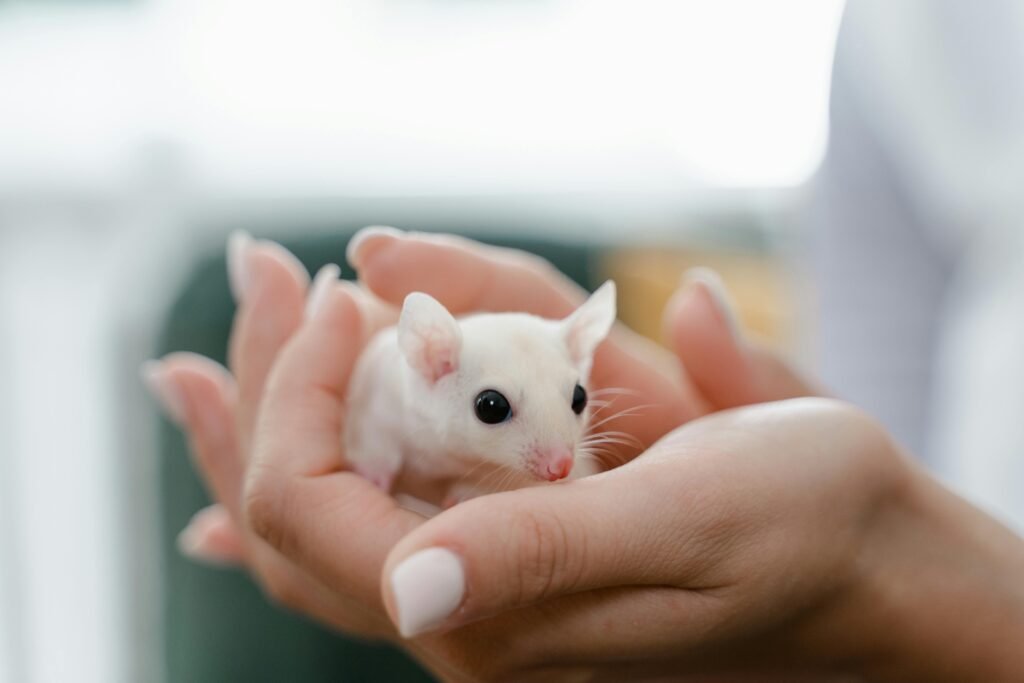
White mice are popular as pets, and many people have questions about their behavior, care, and health. Below are answers to some of the most frequently asked questions about white mice.
1. What does a white mouse eat?
White mice are omnivores, meaning they eat both plant and animal matter. In the wild, their diet typically consists of seeds, grains, fruits, insects, and small invertebrates. When kept as pets, white mice can be fed a balanced diet of commercial rodent pellets, fresh fruits and vegetables, and occasional treats like mealworms. Always ensure they have access to fresh water.
2. Are white mice dangerous?
White mice are generally not dangerous. They are small, gentle creatures and are not aggressive unless they feel threatened. They do not carry diseases that would pose a significant risk to humans, but it’s always important to practice good hygiene when handling them. If they feel cornered or scared, they may bite as a defensive mechanism, but these bites are usually not harmful.
3. What does white mouse poop mean?
White mouse droppings are typically small, cylindrical, and dark brown or black in color. Healthy white mice will have small, firm droppings. Changes in the appearance of the droppings, such as being watery, very small, or unusually large, can indicate health issues like infections, digestive problems, or stress. If you notice any changes, it’s a good idea to consult a vet.
4. Are white mice good as pets?
White mice can make great pets for people looking for a low-maintenance, small-animal companion. They are social, curious, and active creatures that enjoy exploring and playing. They can be trained to interact with their owners, and they generally enjoy being handled, but it’s essential to ensure they are treated gently. They are also a good option for smaller living spaces.
5. Can you keep white mice as pets in apartments?
Yes, white mice can easily live in apartments as long as their basic needs are met. They don’t require much space, so a small cage or habitat is sufficient. However, it’s essential to ensure the cage is secure to prevent escapes. Make sure the environment is kept clean, quiet, and comfortable, and be mindful of any neighbors who may be sensitive to noise.
6. How to clean a white mouse?
Cleaning a white mouse involves gently wiping them with a damp cloth or using a pet-safe, unscented baby wipe. Mice are naturally clean animals and groom themselves, but you may want to clean them occasionally if they get dirty or have any health issues. Avoid using soap, as it can irritate their skin. Always dry them gently after washing.
7. Why does a white mouse turn yellow?
White mice may sometimes develop a yellowish tint to their fur, which several factors can cause. One common cause is the accumulation of urine stains, which can happen if they are not cleaned regularly. Another possible reason is a medical condition like jaundice, which affects the liver and can cause yellowing of the skin and fur. If you notice your white mouse turning yellow, it may be worth checking for signs of illness and consulting a vet.
8. What if a white mouse bites you?
If a white mouse bites you, it will likely be because it felt threatened or frightened. Most bites are not serious, but they can break the skin and cause minor bleeding. To prevent bites, always handle your mouse gently and avoid sudden movements. If you are bitten, clean the wound with soap and water, then apply an antiseptic to prevent infection.
9. Why do white mouse eyes appear red?
White mice often have red eyes because their irises lack pigmentation. This condition is common in albino mice, which is a type of white mouse. The red eye color is not a sign of illness but rather a characteristic of their genetic makeup. The red appearance is caused by the blood vessels in the eye being visible through the transparent iris. If your mouse’s eyes appear swollen, weepy, or cloudy, however, it could indicate an eye infection or other health issue, and you should seek veterinary advice.
These answers should help you better understand the care and behavior of white mice. Whether you’re considering adopting one as a pet or are just curious about their habits, it’s essential to ensure they are well cared for in a clean, safe environment. If you have any more questions about white mice or their care, feel free to ask!

Where we can buy it