
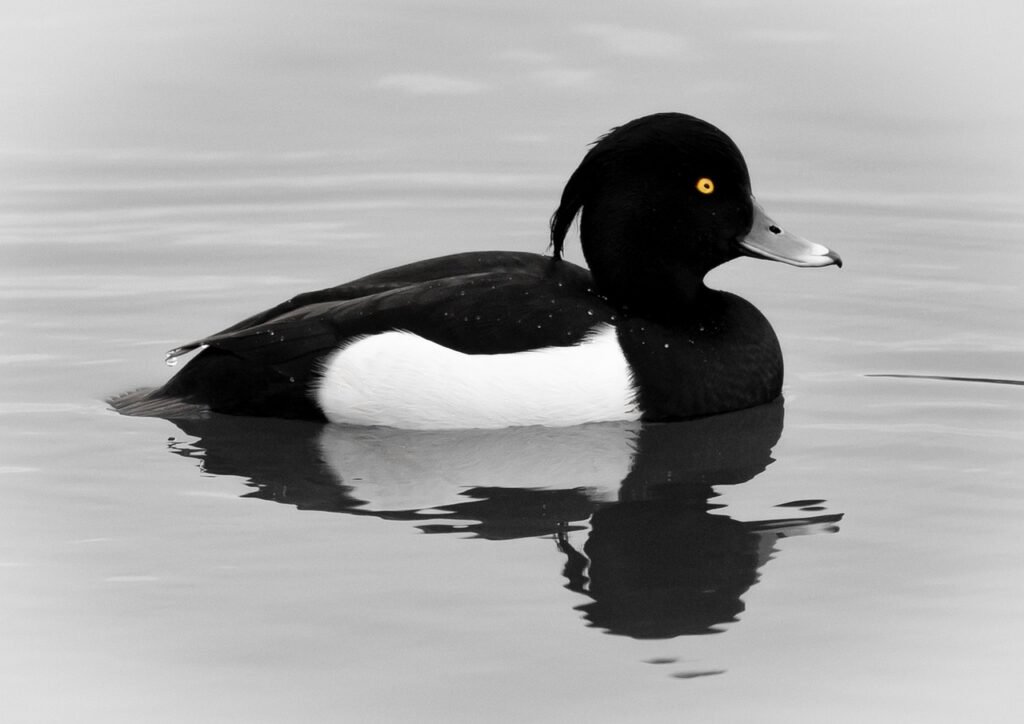
If you’re a bird enthusiast or just curious about unique waterfowl, you’ve likely come across the Muscovy duck. Unlike other domesticated ducks, the Muscovy stands out with its distinctive appearance and behavior. But what makes these birds so interesting? Let’s dive into the world of Muscovy ducks, uncovering fascinating facts about their appearance, behavior, and care requirements.
What is a Muscovy Duck?
The Muscovy duck (Cairina moschata) is a large duck native to Central and South America. It is instantly recognizable due to its unique features, including a red, fleshy facial caruncle (similar to a wattle), which gives it a distinct look compared to other ducks. Muscovy ducks are often referred to as “wild ducks” or “Indian runners” in some regions, but they originated in the Americas.
These ducks are not actually related to the typical domesticated ducks, such as Mallards. While they are often kept as farm animals or pets, Muscovy ducks retain a wild and independent streak that makes them fascinating to observe.
Key Characteristics of Muscovy Ducks
- Appearance: Muscovy ducks are easily identifiable by their bold, red facial caruncles. The size and prominence of these fleshy protuberances vary between individuals. The males usually have larger, more pronounced caruncles. Their plumage ranges from white to black, with varying patterns of iridescence, and they have long, sleek bodies with webbed feet.
- Size: Muscovy ducks are among the larger duck species, with males weighing 7-15 pounds and females 5-9 pounds.
- Coloration: Muscovy ducks come in various colors, from black, white, and speckled patterns to solid colors. While some may be entirely black or white, many have a mix of both, giving them a striking appearance.
Where Do Muscovy Ducks Live?
Originally from Mexico, Central America, and South America, Muscovy ducks can now be found in various parts of the world due to their domestication and adaptability. In the wild, Muscovy ducks typically live in freshwater lakes, rivers, and marshes. They prefer secluded areas with plenty of vegetation where they can find food and shelter.
In the U.S. and other parts of the world, Muscovy ducks are a common sight on farms and even in urban parks, thanks to their ability to adapt to diverse environments.
Muscovy Duck Behavior: Are They Aggressive?
Muscovy ducks have a reputation for being more independent and less social than other domesticated ducks. While they are often friendly and calm, primarily when raised in a safe, comfortable environment, they can also display aggression, particularly during the breeding season.
Males, in particular, can be territorial and protective of their mates and nesting areas. However, with proper care and socialization, they can coexist peacefully with other animals and people.
Muscovy Duck Diet and Feeding
In the wild, Muscovy ducks are omnivorous, feeding on aquatic plants, insects, small fish, and even amphibians. When kept as pets or on farms, they are typically fed a mix of grains, vegetables, and commercial duck feed. It’s essential to provide a balanced diet that meets their nutritional needs.
Muscovy ducks also enjoy foraging, so allowing them access to a safe outdoor space can benefit their health. However, they should not be fed foods that are harmful to ducks, such as bread or salty snacks.
Muscovy Duck Reproduction: How Do They Breed?
Muscovy ducks breed primarily in the spring and summer. The female lays a clutch of 8 to 16 eggs in a concealed location near water. The eggs incubate for around 35 days before hatching. Muscovy ducklings are precocial, meaning they are born with their eyes open and can walk and swim shortly after hatching.
During the breeding season, males may become more territorial and engage in dominance displays to attract mates. The male’s bright red caruncles and unique vocalizations play a role in courtship rituals.
Muscovy Duck as Pets: What You Need to Know
Muscovy ducks can make great pets, especially for those with enough outdoor space. They are known for their calm nature and low-maintenance care requirements. However, it’s important to remember that Muscovy ducks are not your typical domestic ducks. Here are some things to consider before adopting one:
- Space: Muscovy ducks need ample space to roam. While they can adapt to confined spaces, they thrive best in environments with access to a pond or other water source.
- Socialization: Muscovy ducks can be more independent than other domesticated ducks, but they can still form strong bonds with humans and other animals if appropriately socialized from a young age.
- Health and Care: Like all ducks, Muscovy ducks require proper veterinary care and a clean, safe living environment. They also need a consistent food source and access to clean water for drinking and bathing.
Are Muscovy Ducks Good for Meat or Eggs?
While Muscovy ducks are kept primarily for ornamental purposes or as pets, they also have value as livestock. Their meat is lean, flavorful, and less greasy than that of other duck breeds, making it a popular choice for those seeking a healthier alternative to traditional duck meat.
Muscovy ducks can also lay eggs, but they are less prolific than other domestic duck breeds. The eggs are larger than typical duck eggs, with a rich flavor that appeals to those who enjoy gourmet cooking.
Conclusion
The Muscovy duck is an intriguing species that stands out from the crowd due to its unique appearance and independent nature. Whether you are interested in raising them for their meat, eggs, or simply as a companion animal, Muscovy ducks can make a fascinating addition to any farm or backyard.
By understanding their needs, behavior, and care requirements, you can ensure that these wonderful birds thrive in their environment. Whether you’re a backyard enthusiast or just curious about this unique species, the Muscovy duck certainly warrants your attention.

nice information