
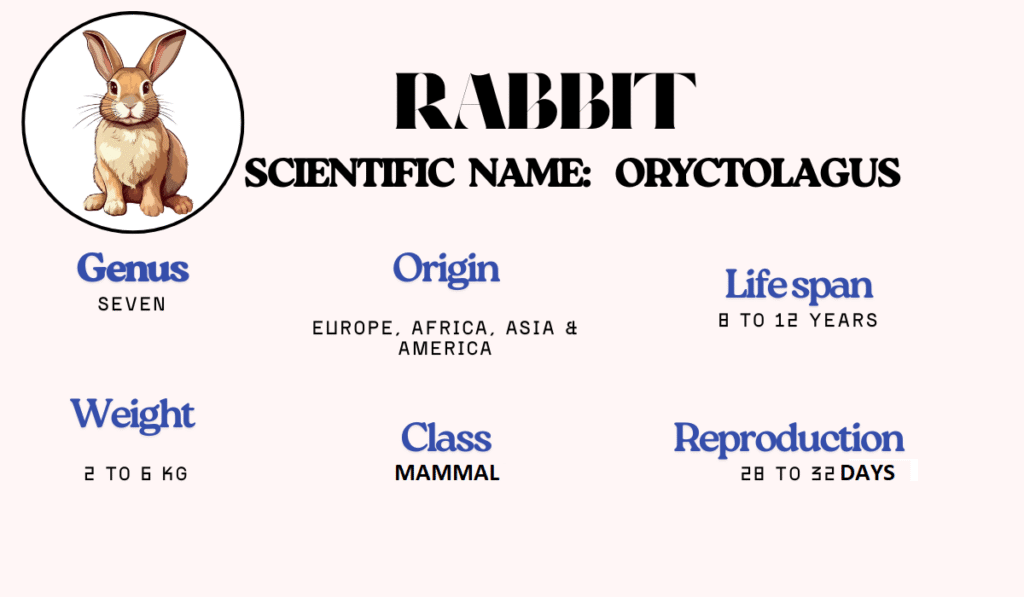
Rabbits’ relationship with human behavior is not as similar as that of cats or dogs. The anatomy and physiology of veterinarians treating exotics is quite different in rabbits than in most other mammals, since the abnormal behavior helps owners interpret signs better than the usual presenting ones set up by this maladjustment. Many behaviors are common to both wild and pet rabbits. This operation started with rabbits. Rabbits have been domesticated for more than 2000 years.
Thus, the Australian Government organized a complete rabbit behavior research program in 1950, including social and reproductive behavior studies. A central aim of this research was to produce information concerning rabbits that could be used to counteract them. Hence, it is clear that wild and domestic rabbits behave much the same. According to Deirdre Wright ( Biology Department, University of Iowa ), rabbits are among the most intelligent species. They know their surroundings and often start playing or chasing games with other rabbits and humans. Conversely, deaf rabbits respond to their owner’s hand movement.
Typical Rabbit Positions, Actions, and Sounds
| Nipping | Nipping is not always in anger; it means it’s over or you’ve put me down and left me alone. |
| Chinning | Chinning Scent glands are more developed in males than in females. Rubbing these glands under the chin shows that humans possess them. |
| Nudging | Chinning Scent glands are more developed in males than in females. Rubbing these glands under the chin shows that humans possess them. |
| Tooth Purring | To show the satisfaction, it is grinding and vibrating the teeth. |
| Sniffing or Wheezing | Sniffing or Wheezing is the abnormal respiratory sound produced by talkative rabbits when interacting with other rabbits. |
| Whimpering or low squealing | To seek attention, a rabbit uses its nose to nudge a human hand or foot. After getting enough petting, it puts away its hands. |
| Head shaking, ear shaking, body shuddering | Head shaking, ear shaking, body shaking: Shake an ear, head, or body in response to unwanted handling or an annoying smell. |
| Scratching | Nipping is not always in anger; it means it’s over, or you’ve put me down and left me alone. |
| Teeth Grinding | When rabbits feel ill or uncomfortable, they try to communicate by grinding their teeth louder and bulging their eyes. |
| Courting or Circling | When rabbits are curious for their owner’s affection or attention, they may scratch their front feet on the ground. |
Rabbits are generally polite and quiet pets, but they occasionally make sounds. A high-pitched scream shows severe pain or terror. The sound is similar to a human baby crying. The extended, flattened head, crouched position with feet beneath, without vocalization, and bulging eyes indicate fear and concerns.
Decoding Rabbit Communication: Hidden Signals Every Caretaker Must Recognize
Snorts, growls, or grunts are sometimes used to express anger, especially in those guarding their territories or influenced by hormones. The honking sound is mainly made to gain food or attention, and the loud squealing sound may be produced in response to being picked up by unwanted hands. The movement of the ears forward is a sign that rabbits become alert. In contrast, the threatened expressions identify when the ears are pulled back. An erect tail also indicates a threat or may occur in excitement. Tail twitching was noted during urine spraying (in male rabbits) and courting. When it becomes obedient, the head extends forward, the chin touches the floor, and the feet are tucked under the body.
How Rabbits Show Affection and Anger
When rabbits become humble and obedient, they may lick their human companions to show affection. Nipping is not always done in jealousy for other rabbits or human companions to move over; it may also indicate anger or to seek attention. The owner should respond immediately with a high yelp when it nips hard. If a rabbit becomes angry, it will thump by stomping its rear feet as an alarm to other rabbits and unwanted people. A snorting, hissing, or short barking growl may indicate aggression towards the other rabbits or unwanted handling.
Rabbit Body Language and Scent Glands in Social Hierarchies
As with humans and other animals, some rabbits are more vocal than others. New rabbit caretakers with “noise” rabbits frequently bring their animals to veterinarians for wheezing or sniffling. This wheeze or sniffing sound can be differentiated from upper airway disease because it is intermittent and present only when the rabbit is restrained. Females begin chinning earlier than males, and the rate increases with age due to increased sex steroid secretions. Removing those that are pregnant or pseudo-pregnant, post-weaning does not have the lowest rates of chinning for females in any portion of the reproductive cycle. The chin gland secretions maintain dominance hierarchies in the wild, and dominant rabbits also have the extra compound, a fixative that makes scents last longer in the wild.