
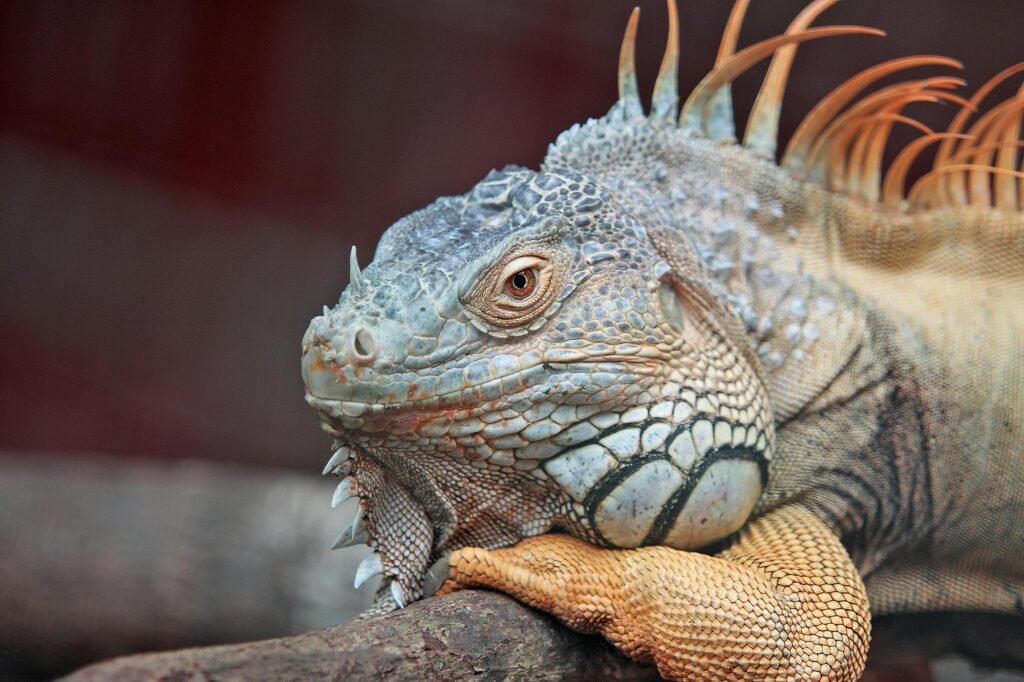

Types of Iguanas
| TYPE | APPEARANCE | BEHAVIOR | ORIGIN | |
|---|---|---|---|---|
| 1. | Green Iguana | Green/ common pet/ max 6ft in length | Common pet | Central and Southern America |
| 2. | Desert Iguana | Hard skin (Green, Grey, or Blue) 3-5 ft | Not a common pet | Southwestern US & Northern Mexico |
| 3. | Black Spiny Tailed | Grey, Brown or Black/ max 4ft | Aggressive/ Threatened | Central America & Mexico |
| 4. | Rock Iguana | Hard skin (Green, Grey or Blue) 3-5 ft | Intelligent/ Friendly | Carribean & Bahamas |
| 5. | Chukwalla | Wrinkled Skin (Brown or Grey)/ max 30 inches | Calm/ long life span | America & Mexico Desert area |
| 6. | Fiji Banded | blue-green or turquoise skin/ max 2ft | Shy/ Good Pet | Fiji islands |
| 7. | Cuban Rock | Rugged Skin (Grey or Green)/ max 5ft | Docile/ Territorial | Cuba Rocky areas |
| 8. | Grand Cayman | Bright Blue/ max 5ft | Calm/ Rare | Grand Cayman Island |
| 9. | Spiny Tailed | Rough Texture/ Bright Color | Aggressive/Territorial | Central America & Mexico |
| 10. | Marine Iguana | Dark Color/ Flattened Tail/ max 4ft | Unique/ Marine Lifestyle | Galapagos Islands |
Basic Care Needs
Before getting an iguana, you should learn about how they act and what they need. You need special tools before bringing your iguana home and should use them for its whole life. Here are some basic things to think about before making an iguana your pet. Iguanas require ample space to explore, hide, and rest according to their size. Do not use reptile carpets, as they can harbor germs, unless you clean them thoroughly and regularly. Fake grass is a better choice. Since iguanas come from warm climates, keep them in a warm, well-lit environment, especially if you live in a colder area. You can use heaters under the tank or regular light bulbs to keep your iguana warm day and night. Iguanas require UV rays to stay healthy, so ensure they receive adequate sunlight or use UV lights. Since iguanas enjoy living in trees, provide climbing, hiding, and basking structures in their space. Feed your iguana a variety of foods to help it stay healthy and happy. Offer leafy green vegetables, such as collard greens, mustard greens, or dandelion greens, and small amounts of fruit, like cherries, strawberries, or peaches. Feed young iguanas daily; adults can be fed every two days. Offer fresh water each day in a tub large enough for soaking. Keep your iguana’s living area clean by promptly removing spoiled food and dirty water.Behavior
Spend time with your iguana regularly to help it trust you and feel at ease. It can be challenging to hold your iguana at first, so always do so gently and carefully. Some iguanas may try to climb on people. Be careful, because they have sharp teeth and strong tails that can hurt you. If an iguana’s nail gets caught, it can shed it and grow a new one without harm.Common Diseases
- Respiratory Problems
- Kidney Disease
- Intestinal Parasites
- Metabolic Bone Disease
Pros and Cons
- They eat green leafy vegetables and fruits.
- They do not drink much water, but humidity helps keep them hydrated.
- They wake up when the sun rises.
- Iguanas require a great deal of care and specific living conditions to remain healthy. They can also be expensive to maintain.
- They need very specific living conditions to live a long and healthy life.
- Visits to an exotic animal veterinarian can be expensive.
- If your iguana is stubborn, it may take years to train.
- Iguanas may attack if they feel threatened.