
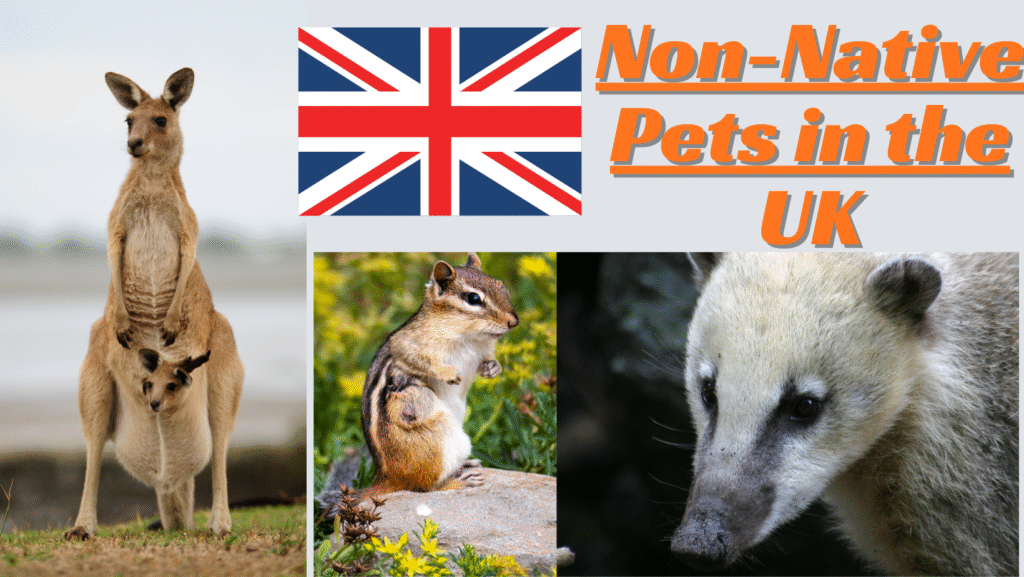
In a country where the largest native wild animals are red deer and seals, the UK might seem tame compared to the wildlife-packed landscapes of Australia or South America. But here’s a surprising twist: thanks to escaped zoo exhibits, abandoned pets, and even accidental stowaways, Britain is home to some truly exotic non-native species. These “introduced” animals have carved out surprising niches in our mild climate, from woodland hops to dockyard hideouts.
If you’ve ever wondered about the kangaroo-like critters spotted in English fields or the venomous scorpions lurking in Kent, you’re in for a treat. In this article, we’ll explore five introduced and non-native species in the UK—many of which started as popular pets or zoo stars. Drawing on fascinating insights into wildlife, we’ll uncover their origins, habits, and why they’re a quirky part of Britain’s biodiversity puzzle. Whether you’re a nature lover, a pet enthusiast, or just curious about invasive species, read on to discover these hidden gems (and why you might think twice before releasing your next exotic buddy into the wild).
Why the UK is a Haven for Non-Native Wildlife
Before diving into our star species, a quick backstory: The UK’s native megafauna—like wolves, bears, and wild boars—vanished millennia ago due to overhunting and habitat loss. Fast-forward to today, and human meddling has filled the gap. Zoos, the pet trade, and global shipping have accidentally (or intentionally) imported non-native animals. Some thrive as invasive non-native species, outcompeting locals or reshaping ecosystems, while others form small, stable populations with minimal drama.
Recent reintroduction efforts—like beavers in Devon or bison in Kent—are bringing back natives, but it’s the escapees that add real spice. According to wildlife experts, these non-native pets that have gone wild highlight both the wonders and risks of our connected world. Now, let’s meet the five standouts.
1. Red-Necked Wallaby: Australia’s Bouncy Emigrants in British Woodlands
Picture this: a fluffy marsupial bounding through misty English forests like something out of a David Attenborough dream. The red-necked wallaby (Notamacropus rufogriseus), native to eastern Australia and Tasmania, has become an unlikely resident of the UK since the early 20th century.
Origins and Arrival
These kangaroo cousins arrived at zoos as attractions in the 1930s, prized for their adorable pouches and agility. Escapes and deliberate releases led to the formation of feral groups, with the most famous on Ireland’s Lambay Island (just off the UK coast). There, a population exploded from a handful in the 1950s to around 50 today. In mainland Britain, sightings are peppered across southern England and the Isle of Man—95 recorded between 2008 and 2018 alone.
Life in the UK
Growing up to 70 cm long and weighing 7-9 kg, wallabies munch on grasses, roots, and weeds in woodland edges and grasslands. The UK’s damp, mild weather suits them better than Australia’s scorched outback, helping them evade harsh winters.
Impact and Fun Facts
They’re not major invasive species yet—small numbers keep competition with native hares low—but they could nibble into root veggie crops if numbers grow. Fun fact: They’re excellent swimmers and can leap 6 meters in a single bound!
If you’re spotting one on a countryside hike, snap a photo—but remember, these non-native pets remind us: releasing exotics can lead to unexpected ecological plot twists.
2. European Yellow-Tailed Scorpion: Glow-in-the-Dark Dockyard Dwellers
Forget tropical nightmares; the UK’s mildest venomous resident is a pint-sized arachnid that’s been hiding in plain sight for two centuries. The European yellow-tailed scorpion (Euscorpius flavicaudis) is Europe’s only scorpion species, and it’s made Kent its northern fortress.
Origins and Arrival
Hailing from sunny southern Europe and northwest Africa, these 4.5 cm glowbugs hitched a ride in the early 1800s via shipments of Italian limestone blocks for Sheerness Dockyard in Kent. What started as a few stowaways has ballooned into thousands, making it the world’s northernmost scorpion population outside the Americas.
Life in the UK
Nocturnal ambush hunters, they feast on flies, woodlice, and other creepy-crawlies in cracks and crevices. Their sting? Milder than a bee’s—painful but not deadly. Under UV light, their exoskeletons fluoresce an eerie blue-green, perfect for a midnight ghost hunt.
Impact and Fun Facts
As non-native species, they’re harmless to humans and ecosystems and act as natural pest control. Spot them in the dockyard’s historic walls during summer evenings. Pro tip for scorpion fans: If you’re keeping one as a pet, ensure secure housing—escapes like this are why they’re now feral!
3. South American Coati: Clever Clan Leaders in the Lake District
With their ringed tails and masked faces, South American coatis (Nasua nasua) look like raccoons on a South American adventure. These intelligent foragers have formed a tiny but feisty band in England’s scenic north.
Origins and Arrival
From the rainforests of Central and South America, coatis likely escaped from zoos or were released as unwanted pets in the late 20th century. A 2010 study pinpointed a breeding group of about 10 in the Lake District, where females lead matriarchal troops in sniffing out snacks.
Life in the UK
Omnivores extraordinaire, they devour fruits, insects, small critters, and bird eggs while using their long snouts to aerate soil (hello, free gardening!). Their tails double as balance beams and group signals, waving like flags during chases.
Impact and Fun Facts
Ecologically, they disperse seeds and till the earth, but as non-native pets gone wild, they could compete for food if populations swell. Fun fact: Coatis are so smart, they rival monkeys in tool use—imagine one cracking nuts in the Cumbrian fells!
4. Siberian Chipmunk: Cheeky Escaped Pets on the Loose
Those bushy-tailed, striped speedsters darting through UK gardens? Not red squirrels—these are Siberian chipmunks (Eutamias sibiricus), Asia’s answer to chip ‘n’ dale mischief.
Origins and Arrival
Native to Russia’s taiga and east Asia’s forests, they’ve surged in popularity as pets since the 1990s for their acrobatics and cheek pouches. Escapes (and maybe Channel Tunnel stowaways from France) have led to scattered sightings, though no massive colonies yet.
Life in the UK
Solitary burrowers, they hoard seeds, nuts, insects, and berries in woodland and suburban spots. Standing just 10 cm tall, they’re pros at climbing and stuffing their faces—literally, with expandable cheeks holding up to 60 hazelnuts!
Impact and Fun Facts
As potential invaders, they threaten native red squirrels by competing for food. Keep an eye out in southern England; if you’re a pet owner, opt for natives to avoid accidental releases.
5. New Zealand Stick Insects: Masters of Disguise in the Southwest
Last but not least, the plant-mimicking marvels: New Zealand stick insects (Clitarchus hookeri). These twiggy titans have been blending into Cornish hedges for over a century.
Origins and Arrival
From New Zealand’s isolated isles, they stowed away in fern shipments around 1909, first spotted in London’s Kew Gardens before colonizing Devon, Cornwall, and the Isles of Scilly. The UK’s foggy southwest perfectly mimics its misty homeland.
Life in the UK
Up to 15 cm long, these herbivores chomp on leaves and berries while swaying like branches to fool predators. Females lay eggs that hatch into mini-mimics, sustaining small wild groups.
Impact and Fun Facts
No major ecological red flags—they even feed birds—but they’re a hit in bug-loving households. Fun fact: They’re parthenogenetic, meaning females reproduce solo, making escapes all the more sneaky.
The Bigger Picture: Balancing Wonder and Responsibility
These five non-native species in the UK showcase nature’s adaptability, turning escaped pets into wild wonders. From wallabies’ leaps to scorpions’ glow, they enrich our biodiversity—but they also spotlight risks. Invasive non-natives can disrupt food chains, spread diseases, or outcompete locals, as seen with American grey squirrels.
If exotic pets tempt you, choose responsibly: research UK laws (such as the Invasive Alien Species Regulation), support rescues, and never release into the wild. Conservation groups like the RSPB and Natural England are monitoring these populations—get involved!
Have you spotted a feral wallaby or coati? Share your stories in the comments below. For more on UK wildlife quirks, subscribe to our blog and follow us on social for daily nature nuggets. What’s your favorite non-native surprise?
Sources: Insights drawn from wildlife documentaries and studies on introduced species in Britain. For deeper dives, check out resources from the People’s Trust for Endangered Species.